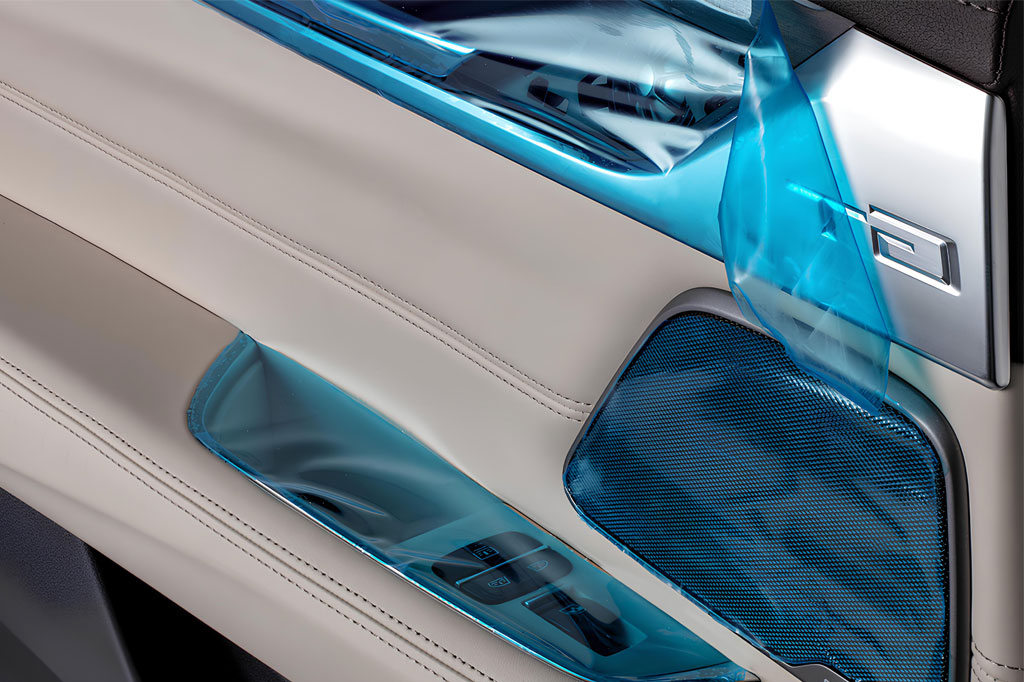
As modern vehicles evolve toward higher levels of comfort, digitalization, and premium aesthetics, automotive interiors have become more sophisticated—and more vulnerable.
Surfaces such as dashboards, center consoles, touchscreens, door panels, and trim components are constantly exposed to scratches, abrasion, UV radiation, and contamination.
Temporary protective film solutions have emerged as a critical technology to preserve these components throughout manufacturing, transportation, assembly, and end-use.
This article explores the role, materials, and benefits of protective films designed specifically for automotive interior applications.
Why Automotive Interior Components Need Protection
Unlike exterior parts, interior components are frequently touched and visually inspected at close range. Even minor defects can significantly impact perceived quality and brand value. Throughout production and assembly, components often undergo repeated handling, increasing the likelihood of surface damage.
Protective films help address key challenges:
- Scratch and abrasion prevention during handling and installation
- Contamination control from dust, oils, and chemicals
- Surface integrity preservation for high-gloss, matte, or textured finishes
- Protection of sensitive electronics, such as infotainment screens
In addition, modern interiors increasingly incorporate soft-touch materials, coated plastics, and decorative films, which are more delicate than traditional materials.
Types of Protective Films for Interior Applications
1. Surface Protection Films (SPF)
These films are applied directly to visible interior parts such as piano black trims, instrument panels, and decorative surfaces. Typically made from polyethylene (PE) or polypropylene (PP), they provide temporary protection during manufacturing and transportation.
Key features include:
- Low to medium adhesion for clean removal
- High clarity for visual inspection
- Resistance to scratches and scuffs
2. Optical Protection Films for Displays
With the widespread use of touchscreens in vehicles, optical-grade protective films are essential. These films are designed for infotainment systems, digital clusters, and control panels.
They offer:
- Anti-scratch and anti-fingerprint performance
- High transparency and touch sensitivity
- Optional antimicrobial coatings, reducing bacteria accumulation on high-touch surfaces
3. Soft Trim Protection Films
Interior components such as carpets, seats, and door linings require specialized films with gentle adhesion to avoid damage to fabrics or leather.
These films typically feature:
- Low-tack adhesives
- Flexibility to conform to irregular surfaces
- Easy peel-off without residue
4. Functional Films with Advanced Properties
Advanced protective films incorporate additional functionalities, such as:
- UV resistance, preventing fading and discoloration
- Anti-static properties, reducing dust attraction
- Self-healing coatings, which can recover from minor scratches
- Chemical resistance, protecting against cleaning agents or spills
Material Technologies Behind Protective Films
Modern protective films rely on advanced polymer and adhesive systems to balance protection and removability.
1. Film Substrates
Common materials include:
- PE (Polyethylene): Cost-effective, flexible, widely used
- PP (Polypropylene): Higher stiffness and clarity
- PET (Polyester): Superior dimensional stability and heat resistance
- TPU (Thermoplastic Polyurethane): High elasticity and durability
TPU-based films, widely used in automotive protection, can absorb impact and resist wear due to their elastic structure.
2. Pressure-Sensitive Adhesives (PSA)
Adhesives are critical to film performance. Most automotive protective films use pressure-sensitive adhesives that create a secure bond without heat or curing.
Benefits include:
- Easy application and repositioning
- Stable adhesion under varying temperature and humidity
- Clean removal without residue, even after extended use
Removable PSA systems are specifically engineered to maintain adhesion during use while allowing clean detachment afterward.
Key Performance Requirements
To meet automotive industry standards, protective films must satisfy several stringent requirements:
1. Clean Removability
The film should be easily removable without leaving residue or causing damage to the substrate surface.
2. Surface Compatibility
The film must provide reliable adhesion across a broad range of materials, including plastics, metals, glass, and coated surfaces.
3. Environmental Resistance
Interior components can experience temperature fluctuations, humidity, and UV exposure. Films must maintain performance under these conditions.
4. Conformability
Complex interior geometries require films that can stretch and adapt without lifting or wrinkling.
5. Optical Clarity
For visible surfaces and displays, high transparency is essential to maintain aesthetics and functionality.
Benefits for Automotive Manufacturers and End Users
For OEMs and Suppliers
- Reduced scrap and rework rates
- Improved production efficiency
- Enhanced product quality consistency
- Protection during logistics and assembly
For End Users
- Long-lasting interior aesthetics
- Reduced maintenance and repair costs
- Improved hygiene and cleanliness (especially with antimicrobial films)
- Higher resale value due to preserved interior condition
Protective films act as a temporary yet highly effective barrier against scratches, contamination, and environmental damage, ensuring that interior components retain their original appearance over time.
Future Trends in Automotive Interior Protection
The automotive industry is moving toward smarter and more sustainable protective solutions:
- Eco-friendly films: Biodegradable or recyclable materials
- Multifunctional coatings: Combining protection with anti-glare, anti-fingerprint, and antimicrobial features
- Customization: Tailored adhesion levels and film thickness for specific components
- Integration with smart surfaces: Films compatible with haptic and touch-sensitive technologies
As vehicle interiors become more digital and design-focused, the demand for advanced protective film solutions will continue to grow.


